
The numbers remind us of the urgency: one child in three suffers from chronic malnutrition, and four out of five people face food insecurity.
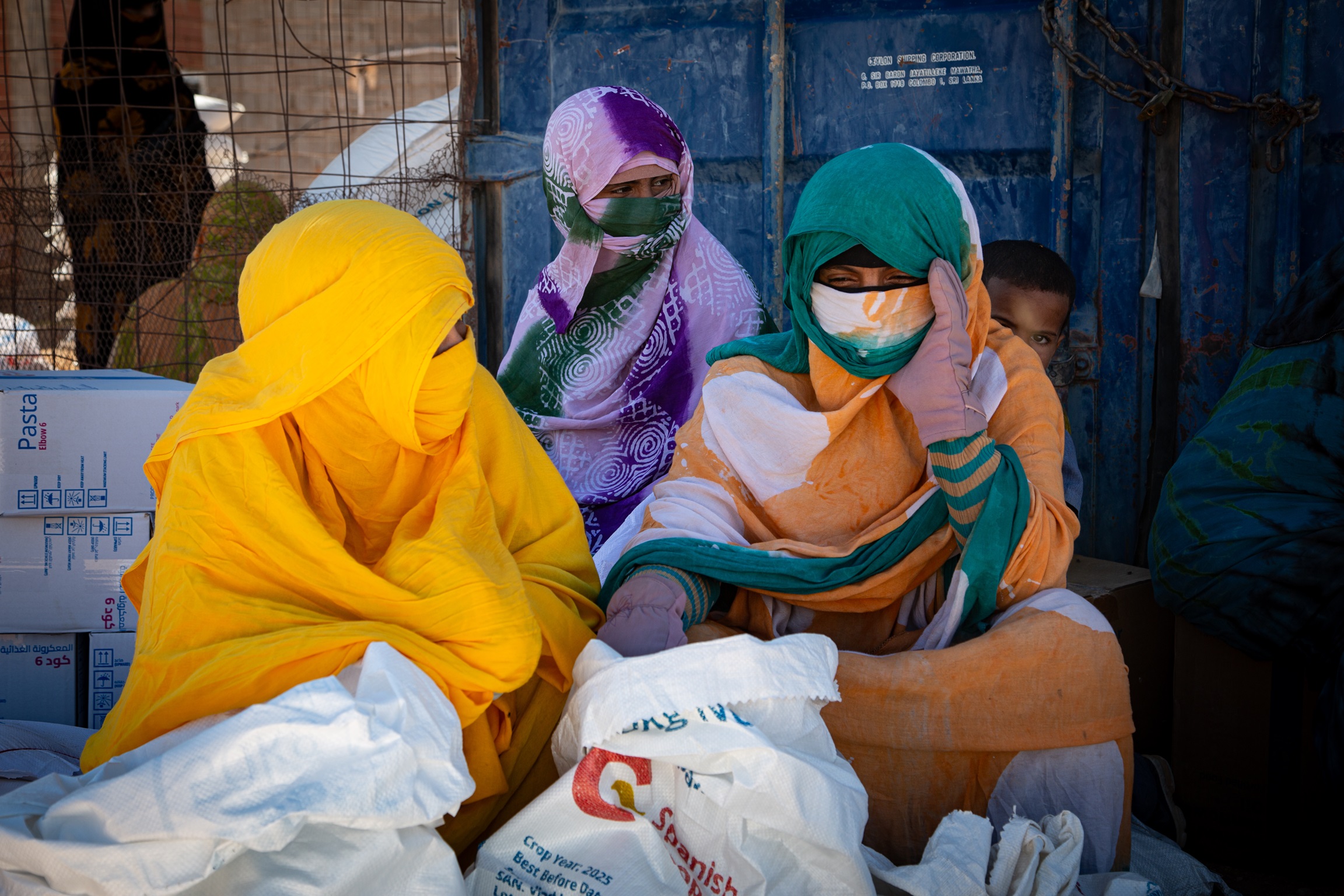
In this context, food distribution becomes far more than a logistical operation - it is a race against time to save lives. And this race begins with the simple, repeated gesture of women who, each day, push their gas bottles with their feet toward the supply truck. Once filled, those bottles make it possible to transform the rations received into a real hot meal—the concrete outcome of this entire chain of solidarity.
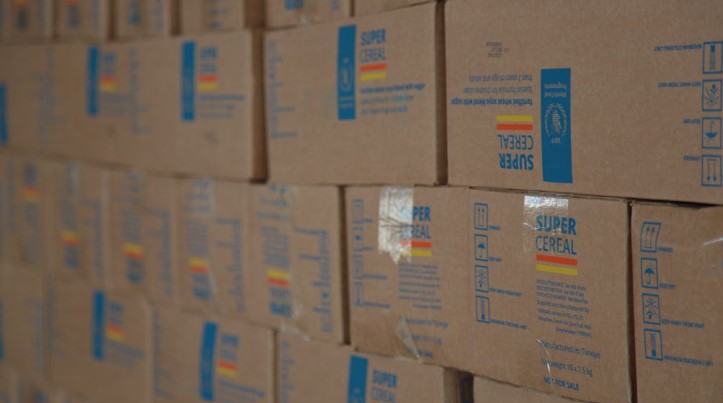
From the ship leaving a distant port to the truck crossing the desert, from the carefully unloaded container to temporary storage zones, every step is crucial.
Precision is all the more essential given that only one child in ten currently receives a minimally acceptable diet.
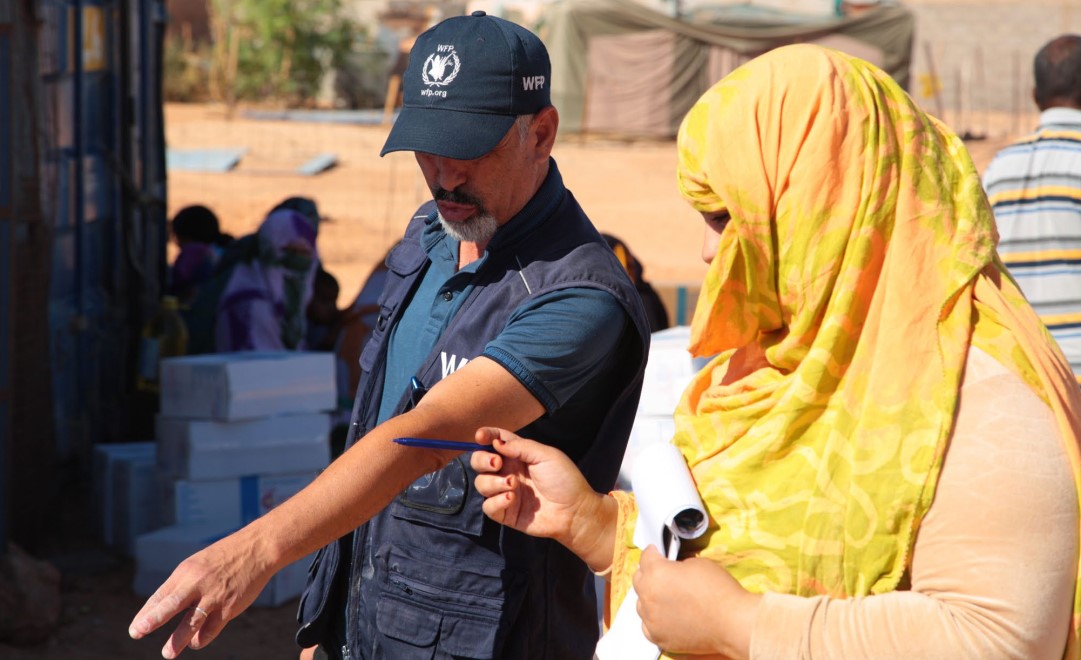
But the true miracle happens when the food reaches the hands of local associations and humanitarian workers.
With remarkable care, they organize the distribution, turning each parcel into a promise fulfilled, each delivery into a moment of restored dignity.
These stark figures should not discourage us but remind us of the importance of every gesture.
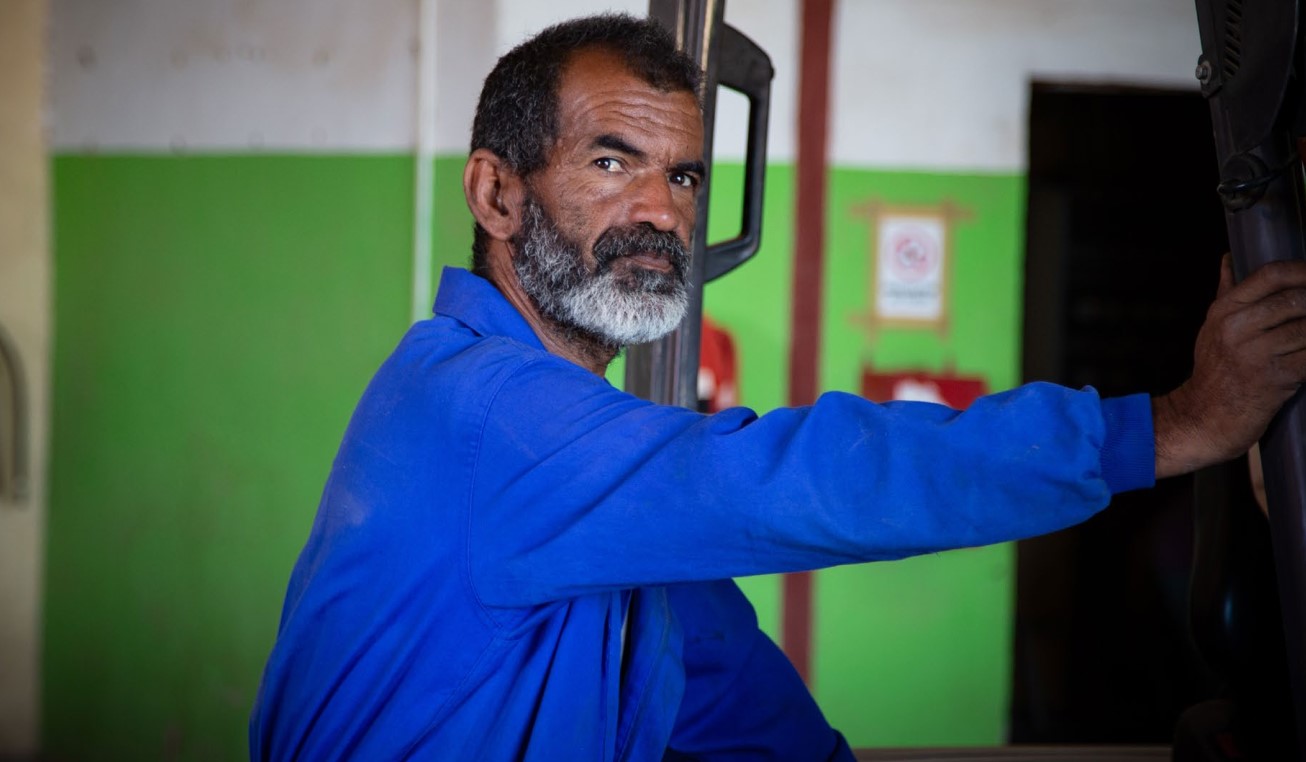
In the eyes of a mother receiving her ration, in the hands of a volunteer loading a truck, something greater than distribution is at play: the daily struggle to preserve the essential.From warehouses to Sahrawi family homes, an entire ecosystem of solidarity comes alive.
And behind the statistics are faces, smiles, and the stubborn hope of a whole community.
Each link in this chain is a concrete response to a silent emergency— a demonstration that, in the face of numbers, humanity can make the difference.